Kumba Claw Font Review for Makers & Handmade Products
I was designing a candle label, the kind with a simple jar and a clean, minimalist aesthetic. My vision was for a product that felt warm, approachable, and handcrafted, but every font I tried felt either too stiff or too whimsical. Then I opened Kumba Claw. That moment, where a single typographic choice clicks perfectly into place, is pure magic for any maker. Suddenly, my label wasn't just a label; it was a piece of the story I wanted to tell about my craft.
The Personality of Kumba Claw
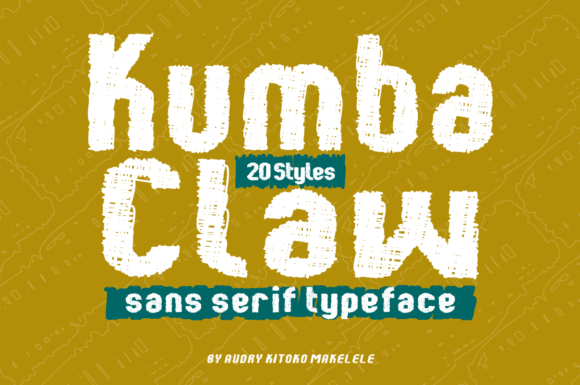
Kumba Claw is a strong display font, but its strength comes from a wonderfully down-to-earth character. It’s not a loud, aggressive typeface; it’s confident and friendly. Each character feels carefully handcrafted, with a subtle, casual charm that invites attention without shouting. It reads as incredibly versatile because it straddles a beautiful middle ground. It’s not overly rustic, nor is it coldly modern. This makes Kumba Claw a perfect ally for creators who want their products to feel premium and special, yet still accessible and genuine.
The visual mood it creates is one of crafted quality. Whether you’re designing wedding welcome boards for a rustic celebration, printable wall art for a farmhouse-style kitchen, or boutique tags for handmade ceramics, Kumba Claw brings a touch of considered design. Its readability, even at larger sizes for display use, means your message—be it a product name like "Bergamot & Cedar" or a heartfelt "Thank You" on a card—comes through clearly and beautifully.
Putting Kumba Claw to Work on Real Products
Testing a font on paper and on-screen mockups is where the real review happens. For a maker, the transition from digital preview to physical product is critical.
For Labels, Packaging, and Tags
On my candle labels, Kumba Claw provided the perfect anchor. The font’s inherent strength gave the product name prominence, while its casual charm kept the overall feeling soft and artisanal. I tested it on mockups for tote bags and mug designs as well. On fabric and curved surfaces, the font held its personality beautifully, proving it’s excellent for merchandise where you want a clear, stylish brand mark. For product packaging—think a simple paper band around a soap bar or a kraft box for a gift set—Kumba Claw adds a layer of perceived quality and brand consistency that customers notice.
For Cards, Invitations, and Printables
I moved from labels to designing a set of birthday invitation cards. Here, Kumba Claw shone as the headline font for "You're Invited!" and the event details. It’s ideal for short phrases, names, titles, and decorative wording that needs to carry emotional weight. For digital printables like planner covers or seasonal wall art, the font provides a strong, engaging starting point that pairs beautifully with simpler illustrative elements. Its versatility means it can work for a playful birthday theme or a more elegant wedding stationery suite when paired with the right secondary fonts.
Readability for Production & Presentation
Readability is paramount, not just for the end-user, but for your production process. When using cutting machines like a Cricut or Silhouette for stickers or intricate paper cuts, Kumba Claw’s clear, well-defined shapes are a boon. They cut cleanly without losing detail. On small stickers or product labels, I’d recommend using it for the primary, larger text, not for tiny informational details. For printed cards and mockup previews in your shop listings, the font renders beautifully, ensuring your online presentation matches the physical product's appeal.
Where Kumba Claw Excels and Where to Use Caution
This font is a true favorite for display purposes. It excels at grabbing attention and setting a tone on things like signs, shop banners, product titles, and main headings on digital download previews. It can absolutely be used for your shop's branding across different mediums, creating strong customer recognition.
However, its decorative nature means it’s not suited for very long paragraphs, dense label information like ingredient lists in small print, or technical product instructions. Using it for very tiny text on small stickers might compromise legibility. It’s a font for making a statement, not for conveying lengthy, detailed copy.
Smart Pairings and Practical Considerations
To balance Kumba Claw’s strong personality, pairing it with a clean, simple sans serif font for any supporting text is a classic and effective strategy. This combination lets Kumba Claw shine as the hero while ensuring all necessary information is effortlessly readable. For a more editorial or elegant feel, a basic serif font can also work well. This pairing approach is crucial for items like wedding invitations where you might use Kumba Claw for the couple's names and a serif for the event details.
Before committing to any font for your physical products or digital templates, always check the specifics of the font file you purchase. Look for included styles, alternates, ligatures, and supported weights to maximize your creative options. Crucially, ensure the font comes with a commercial license that covers your intended use—selling physical products, merchandise, SVG files for crafters, or digital downloads is a commercial activity. Also, verify multilingual support if your market requires it, and confirm the file formats (like OTF, TTF) work with your design software and cutting machine applications.
In my hands-on testing, from candle labels to tote bag mockups, Kumba Claw proved its description true. It’s a versatile, handcrafted display font that brings a warm, confident charm to your work. It helps elevate your product presentation, reinforces a cohesive brand identity, and engages your audience with its genuine, crafted appeal. For makers looking for a typeface that feels both special and wonderfully down-to-earth, Kumba Claw is a compelling choice.